
Published: Jun 20, 2024
Programming starts this month for Shirley Ware Education Center’s (SWEC) High Road Training Partnership (HRTP) project, which won a $13 million grant allowing the SEIU-Community Clinics Partnership and the Workforce Education & Resource Center (WERC) to support 3,688 workers in Community Health and other healthcare training to address workforce shortages in the community clinic sector. SWEC, named after trailblazer Shirley Ware, one of the first African-American women to lead a major California labor organization, has been providing education and training since 1998.
Along with partners SEIU United Healthcare Workers West and the Joint Employer Education Fund (the Education Fund), SWEC uses the High Road Framework and best practices to align supply, demand, education, and training to uplift low-wage occupations that workers of color disproportionately hold. Workers improve their economic mobility by earning industry-recognized credentials, building confidence through critical skills courses, and gaining access to higher wages.
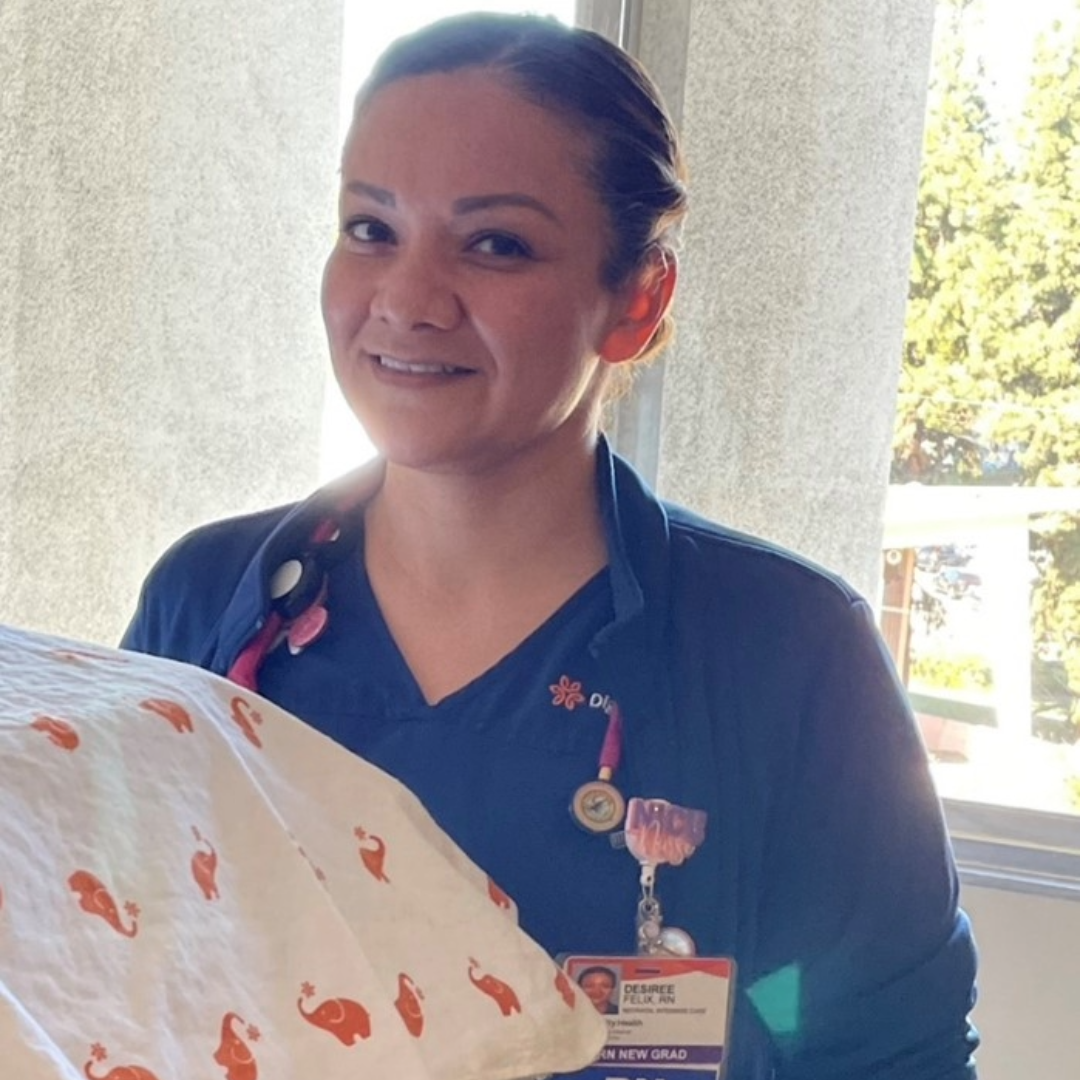
With support from the Education Fund’s college courses and Tuition Support program, Desiree Felix graduated with a nursing degree. Accessing critical skills courses like the online Medical Terminology class and the continuing education services ensured her success. Since graduating, Felix has had a wage increase of 40%, allowing her the peace of mind that she won’t need to depend on credit cards anymore.
Felix recently achieved one of her career goals by landing the job of her dreams as a NICU nurse.
Thalia Cordova was a Patient Care Technician LVN at Kaiser Permanente in Fresno when she obtained Wage Replacement and Tuition Support in order to complete the RN program. She also used The Education Fund’s Continuing Education program to maintain her RN license. “The Ed Fund gave me the opportunity to take paid time off to attend classes without losing income,” shared Cordova. “The financial help was a tremendous blessing and allowed me to take the time to focus on my program.”

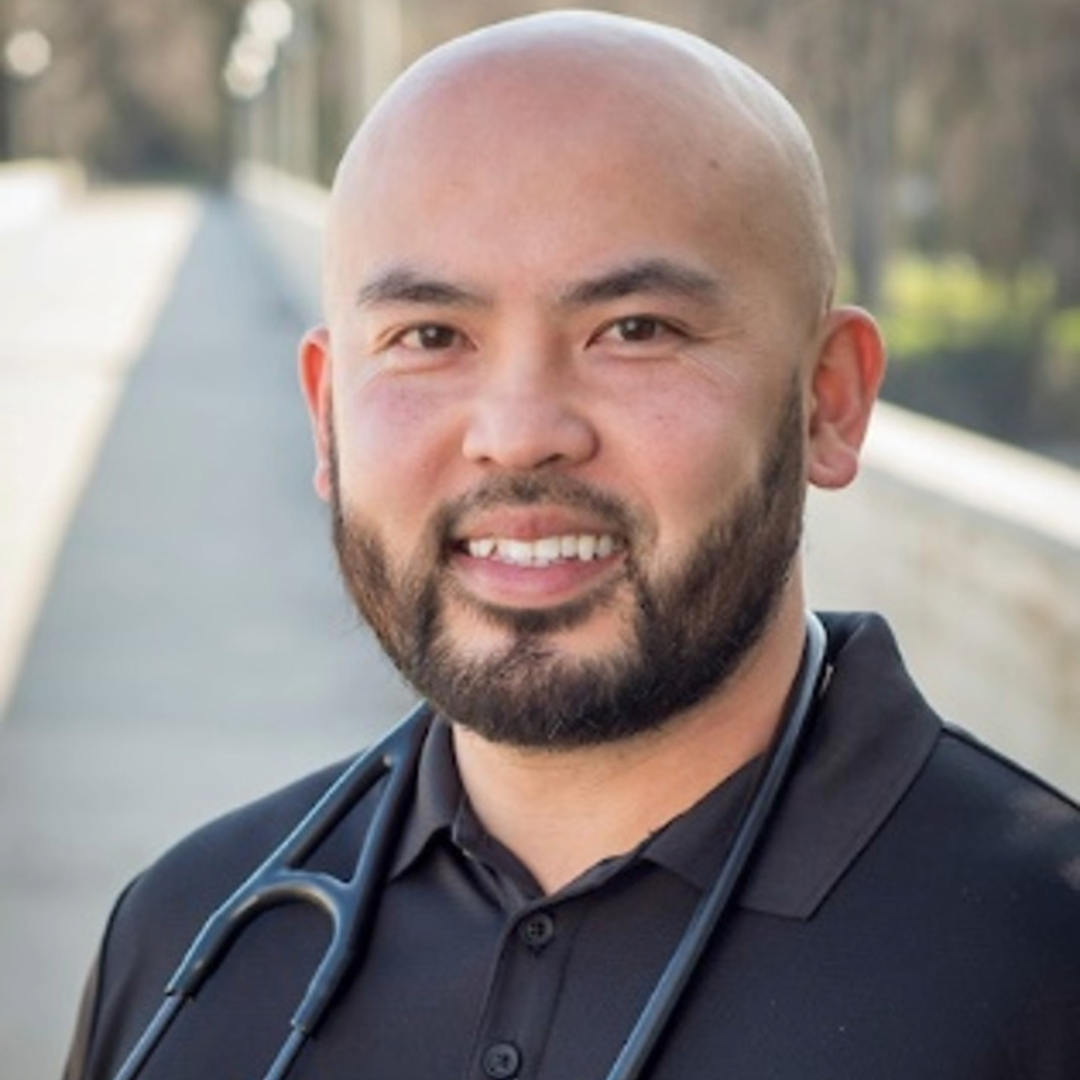
“The Ed Fund helped with tuition and program costs as it was difficult to keep up with bills while going through nursing school and only working a few days a week,” said Alexander Saechao. Financial help allows participants to keep up with living costs while still having the time they need to learn and be successful. Alexander’s upskilling allowed him to access a higher-wage career with his employer as a Registered Nurse.
Sophia Hernandez was working at Dignity Health – St Joseph’s Medical Center in patient registration when she heard about the Non-Coder to Coder Apprenticeship available through the Education Fund. She immediately applied and successfully completed the apprenticeship. Hernandez is now a coder in health information. Her new position allows her to have a better work-life balance by having more flexible work hours to be fully present to her growing family.

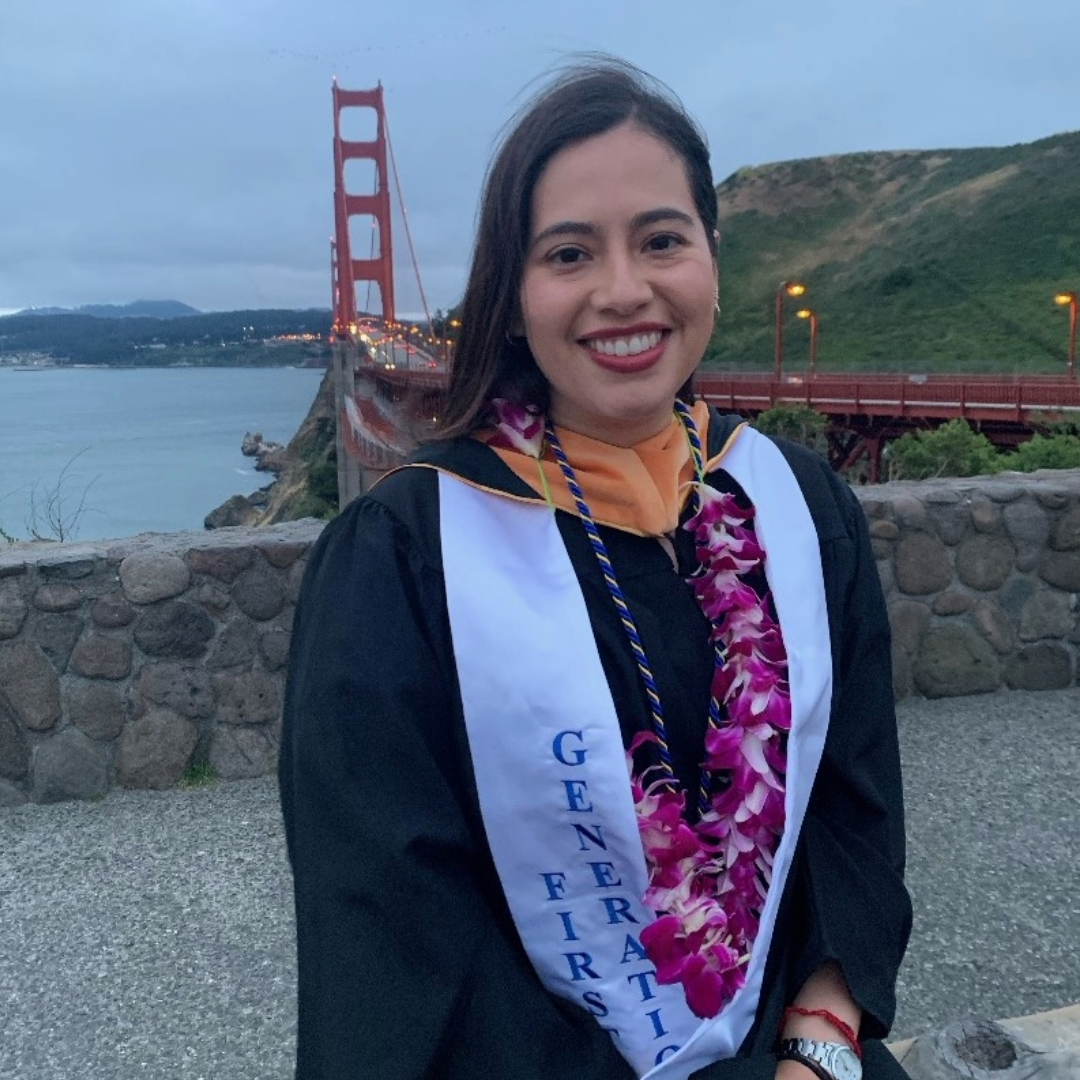
Maria Martinez Castrejon is a first-generation American in her Mexican immigrant household. With help from the Education Fund’s Tuition Support program and the Continuing Education Reimbursement program, Martinez graduated as a Family Nurse Practitioner (FNP) from UC San Francisco.
Martinez’s passion for her community has inspired her to pursue a master’s degree as an FNP. Her goal is “to equip patients with skills essential for self-care and chronic disease management.”
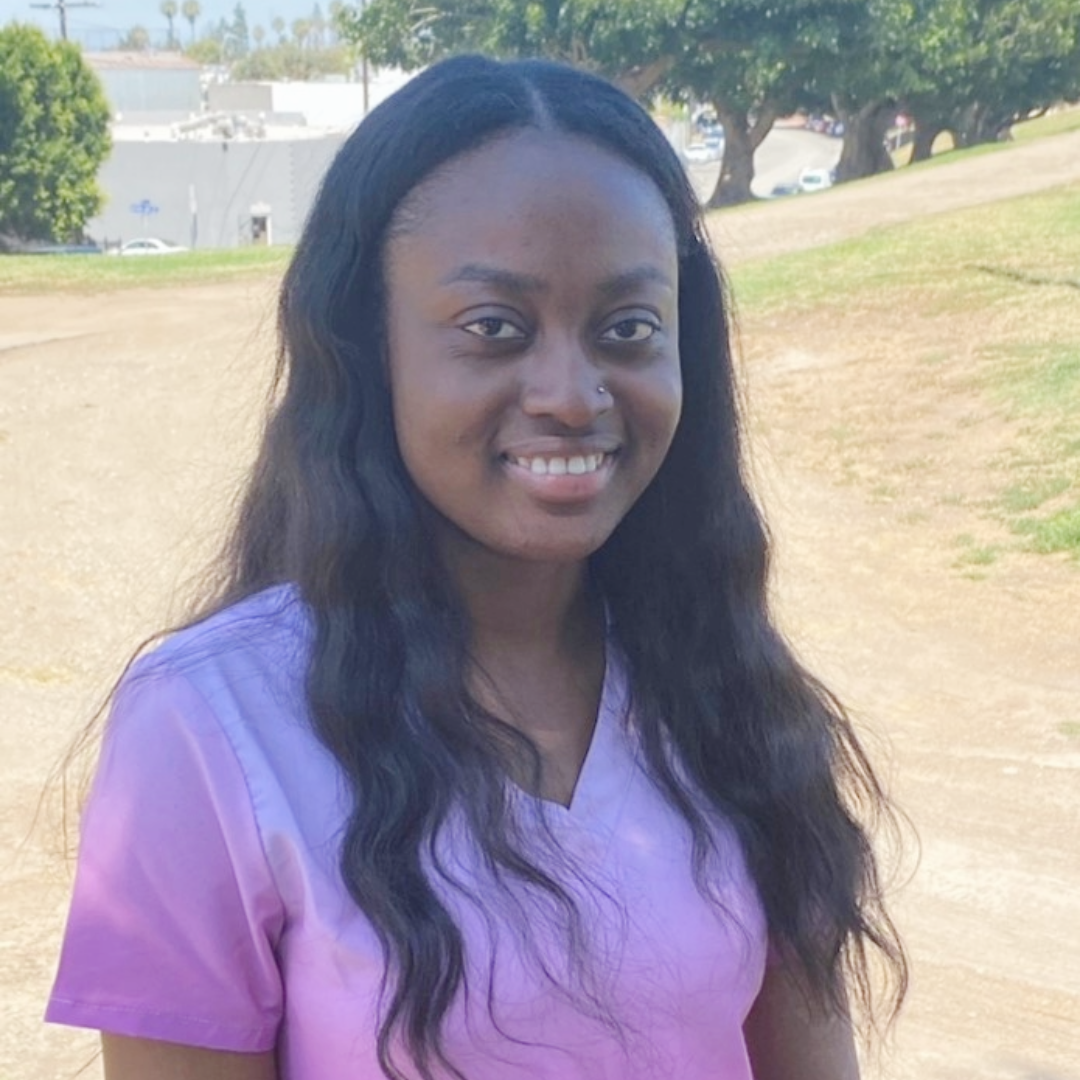
Lisa Agbagwu was an on-call CNA at Kaiser Permanente’s West Los Angeles Medical Center when she took several continuing education classes with the Education Fund. The Fund’s support of on-call members in long-term programs was a game changer for Agbagwu. She is now a full-time Licensed Vocational Nurse with Kaiser Permanente thanks to her hard work, regular check-ins with her counselor, and the partnership’s support and guidance.
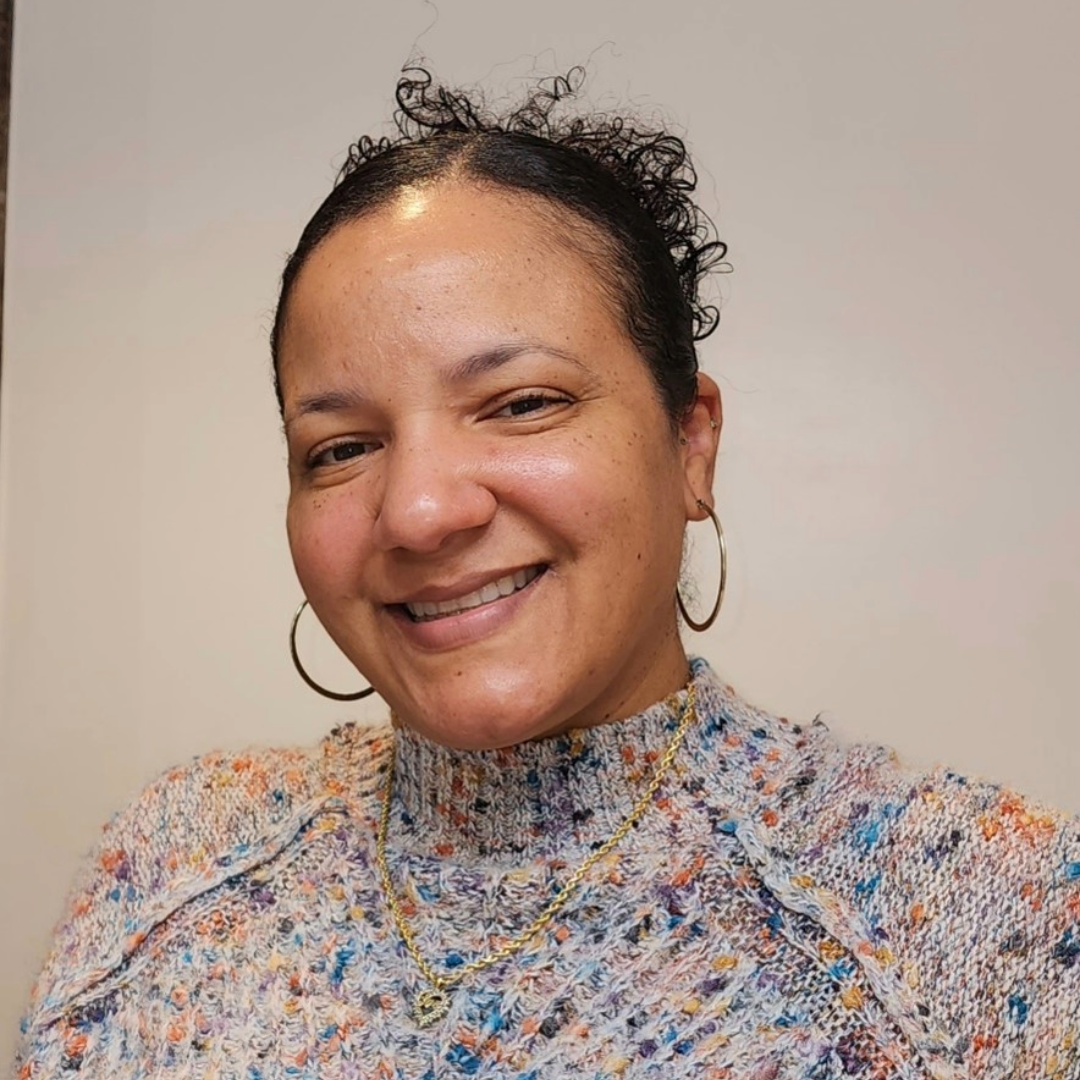
As a Diagnostic Radiology Technologist, Andrea Hansbrough aspired to make a career move to an Interventional Radiologist (IR). She enrolled in the IR Apprenticeship program supported by the Education Fund and SEIU-UHW. “I feel as though I’ve found my purpose through the IR apprenticeship program,” explains Hansbrough. “Completing it would not have been feasible without the support.”